

Nautilus Project
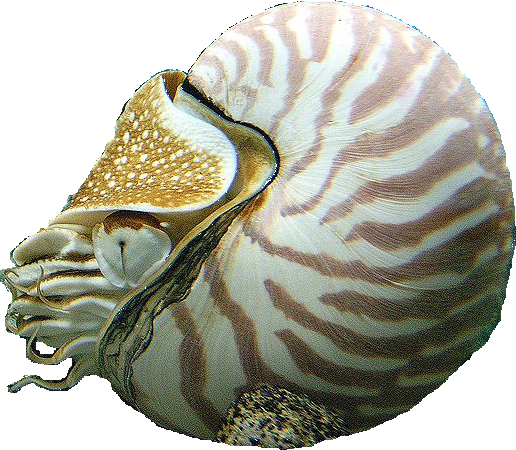
The Nautilus is a squid with a spiral-shaped shell. Fossils of the nautilus have been dated back 420 million years. For a time they were thought to be extinct.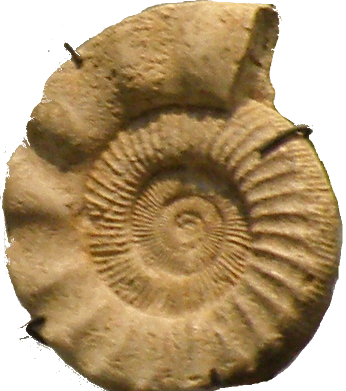 However, in the period that more sea research was done, it turned out that the Nautilus still live in a number of families. This makes it one of the longest living animals that has changed little since its origin. Their success is partly due to their shells. The spiral growth makes the shell strong. That growth was part of what inspired me to This Nautilus Project. The other part of the inspiration came from a marine research vessel “RP FLIP” which was built back in 1962 and could be tilted vertically in the water to conduct sound research.
The idea, for the Nautilus Project, has been in my head for years. Thanks to the developments of the computer, I have been able to visualize the idea. Below is a presentation. This is the 2nd version.
production
First I chose to build the island from concrete and steel with a steel core. This would make a huge drain on the supply of building materials. To save weight and materials I wanted the fill concrete to be changed to a mixture of cement sand and polystyrene spheres known as Styrofoam. This results in a huge weight saving. This would raise the top of the island 10 m more above sea level. Now I would opt for plastic in combination with aluminum. Both certain plastics and aluminum have shown excellent resistance to seawater attack. How nice would it be if the island were built from the plastics we extract from the sea. The plastics must then be transformed into the type that has good resistance to seawater. All variants use prefab parts so that a quick construction process is possible.
Grow arms
My first design had 1 growth spiral. The calculation showed that 1 km in diameter would take 30 years. The construction time can be shortened to 10 years with 3 growth arms. This design has 3, but to have an even shorter build time I'm already working on a design with more growth arms. A floating island with a diameter of 3.5 km is required to handle all types of aircraft.
Energy
The first thing I want to do is to create a place where wind, sunlight, waves and currents will be converted into hydrogen. Hydrogen is one of the cleanest forms of energy. Something we should already have by now.
Sea water, drinking water, hydrogen
Through a macro distillation process I wanted to split the seawater into all its elements. Not all elements are commercially interesting. Every process has its by-products. The technical feasibility is also a challenge and I have not yet found the suitable materials for building. But the thoughts about it are still present in the background. I may need to come up with a different approach.
Water can be split in 3 main ways.
- Chemical and then you have to have the right substances.
- Electric with an acid solution in water.
- Thermal with a temperature of above 1000 °C up to 10000 °C where the hydrogen is separate from the oxygen.
Drinking water
Clean water would also come from this installation. The extraction of drinking water is becoming increasingly important. And in my opinion, drinking water should also be seen as a form of energy. I have already devised a simple way to make drinking water from sea water. The residual heat from all types of power plants can be used for this. My preference is for the residual heat from solar and geothermal energy plants. I will write a separate piece about this.